


In the United States, the standard pallet size is 48″ × 40″. Wooden “GMA pallets” are by far the most common pallet used in
shipping, making up roughly one‑third of all U.S. pallets. Other standard pallet dimensions like 42″ × 42″ and
48″ × 48″ are also widely used for specific industries.
The Consumer Brand Association (CBA—formerly the GMA) influences the consumer packaged goods industry across North America.
Despite the group’s renaming in 2019, the common 48” × 40” pallets are still widely known as GMA pallets.
The weight of the pallet is the most important factor in determining the shipping cost. Having an accurate weight up front will help keep your shipping costs in budget. Pallets that are larger or have irregular dimensions tend to cost more to ship. Pallets shipped long distances will cost more to ship than those shipped short distances. Pallets shipped via less than truckload (LTL), could cost less to ship than pallets shipped via full truckload (FTL). The right pallet depends on your shipment’s dimensions, weight, product type, and how it will be handled in transit. Start with standard pallet sizes when possible, then choose a different size only when the freight requires a better fit or added support. Below are the five most common pallets seen in shipping and a brief description of what separates them from one another.
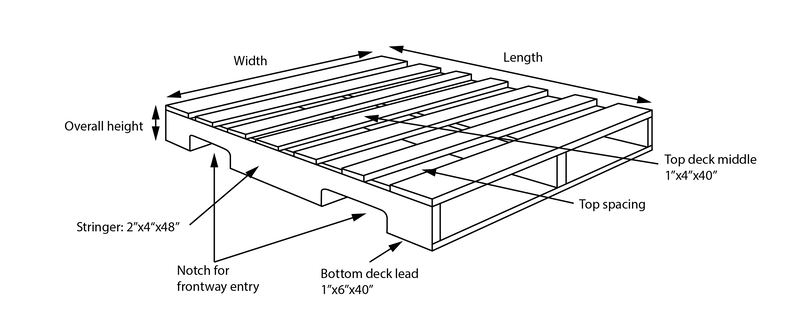
Stringer pallets are built with 2"x4" wood, plastic, or metal stringers. These pallets use boards known as “stringers” that run between the top and bottom deck boards to add increased load support. These pallets can come in either a "two-way" or "four-way" design. Two-way pallets allow for forklifts to enter from two sides and are sometimes referred to as "unnotched." Four-way pallets allow forklifts to enter the pallet from any side.
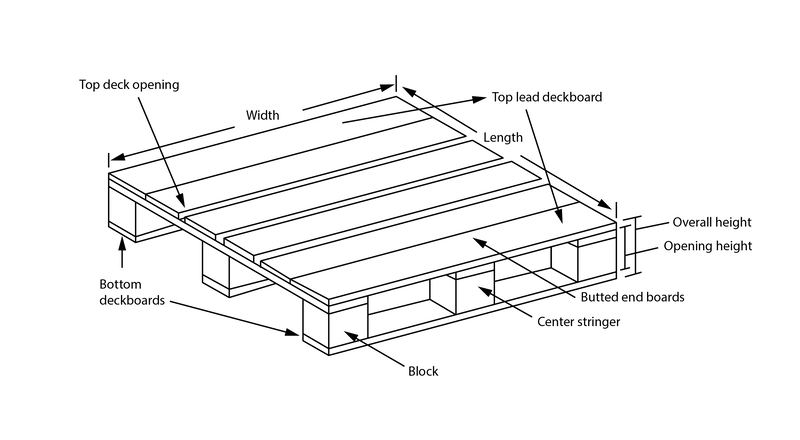
Block pallets are typically sturdier, made with both parallel and perpendicular stringers. They are a four-way pallet that uses cylindrical posts to stabilize the top deck. These pallets can vary significantly. There are a variety of configurations that exist for block pallets. Models are available with or without top or bottom boards.
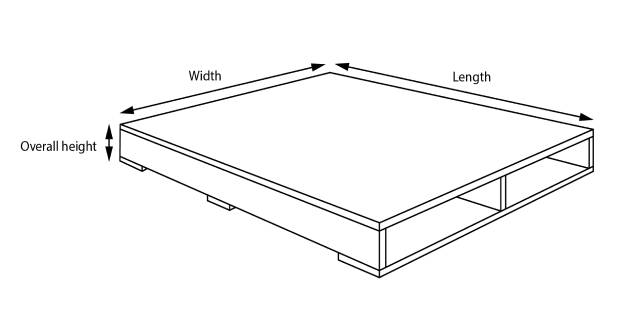
The solid deck pallet offers a superior alternative to traditional pallets, particularly when it comes to handling heavier or uneven loads. Unlike standard pallet sizes with gaps between deck boards, the solid deck boasts a fully connected top surface, creating a seamless platform for optimal load stability. This unique design acts as a built-in preventative system, effectively distributing weight and minimizing the risk of shifting or toppling during transport or storage.
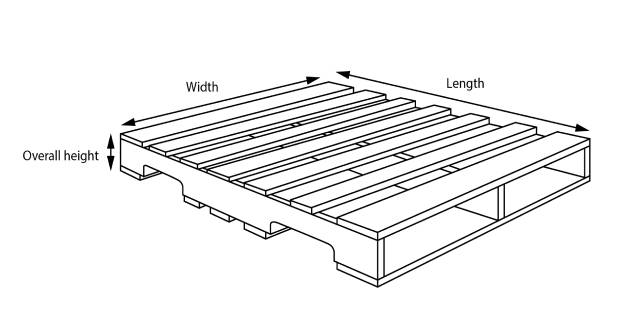
As the name implies, double face pallets have decks on both the top and bottom of the pallet. The addition of a bottom deck strengthens the pallet and more evenly distributes the weight of the load. These pallets come in both reversible and non-reversible models. Reversible models can hold a load on either side. To tell the difference between a reversible and non-reversible pallet, check the density of the board placement on each side. Non-reversible pallets should have one side that is sturdier than the other.
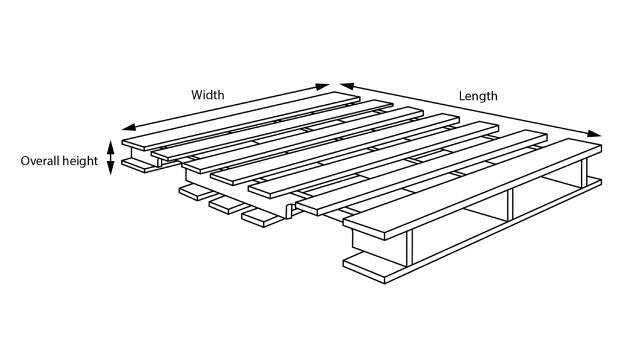
When looking at the pallet directly, double wing pallets have the appearance of "wings" because top and bottom deck boards extend beyond the stringers. In addition to these common types, there are also specialized pallets designed for specific applications. Choosing the optimal pallet for a specific application depends on various factors such as load weight, load size, product type, and transportation needs. Discover unbeatable freight rates with Freightquote’s easy-to-use online tool. Whether your pallet shipments are set to go or you’re still deciding on the pallet sizes and type—we've got you covered. When it comes to shipping a pallet, Freightquote provides competitive shipping rates and support for your shipment needs.What is the standard pallet size?
A complete guide to shipping by pallet
Here's what you'll find on this page
Standard Pallet Size Chart
Pallet Size (W × L, in)
Common Name / Industry Use
48″ × 40″
Standard GMA pallet used for grocery and general retail (≈30% of U.S. pallets). The most ubiquitous pallet size in North America.
42″ × 42″
Common for paint, telecom equipment, and square shipments.
48″ × 48″
Large industrial pallet used for 55‑gallon drums and liquid materials; popular in chemical and oil industries.
48″ × 42″
Widely used in beverage and chemical industries; fits many bottling and packaging footprints.
40″ × 40″
Dairy industry pallet; compact square footprint, often plastic for hygienic handling.
48″ × 36″
Used in beverage, paper, and building materials such as shingles, where a slightly narrower pallet is beneficial.
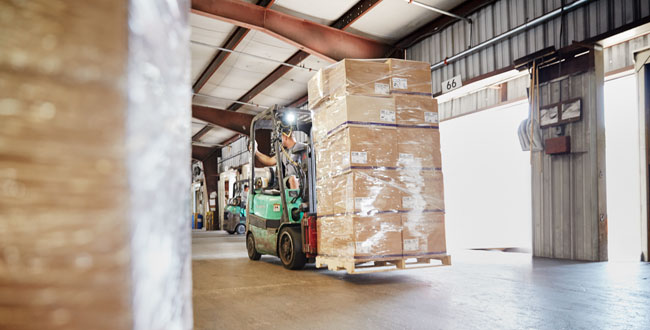
Weight
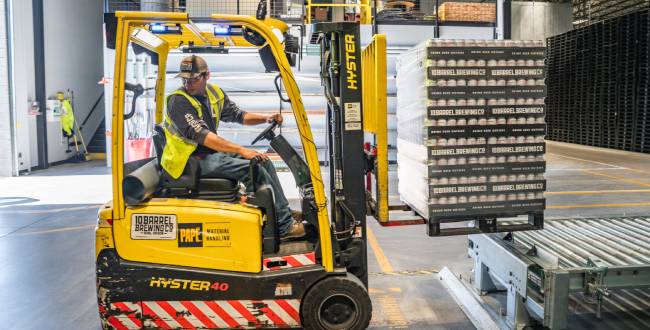
Size

Distance

Shipping method
Choosing the right shipping pallet
1. Stringer pallets
These pallets can come in either a “two-way” or “four-way” design. Two-way pallets allow for forklifts to enter from two sides and are sometimes referred to as “unnotched.” Four-way pallets allow forklifts to enter the pallet from any side.
2. Block pallets
3. Solid deck pallet
4. Double face pallet
5. Double wing pallet
Planning a freight pallet shipment?
Book a shipment
How to ship freight pallets
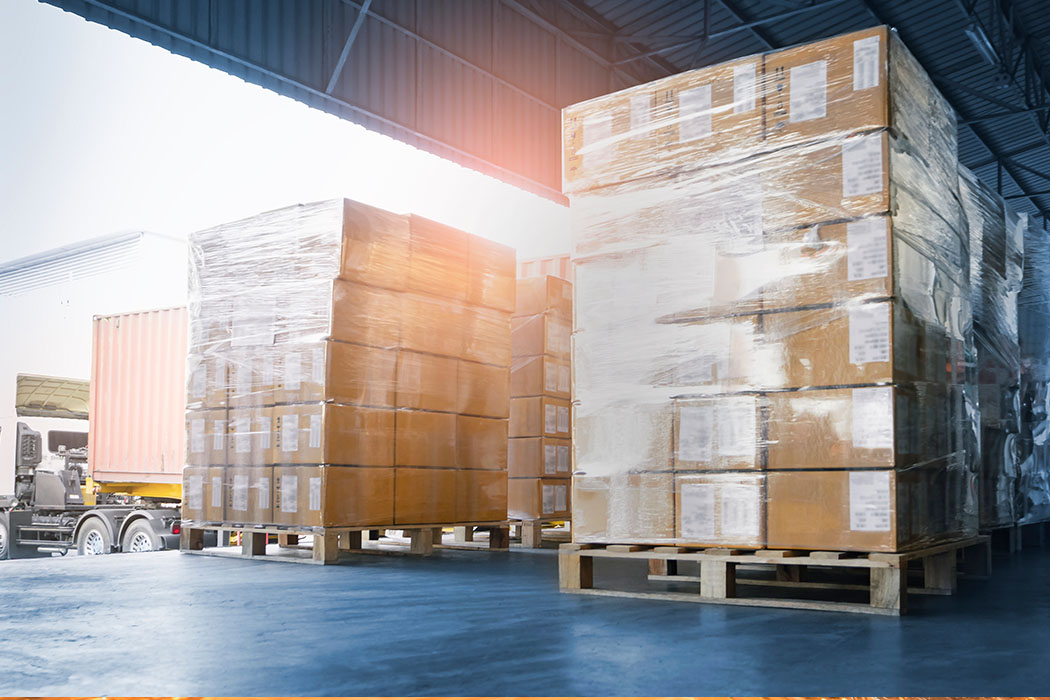
To ship freight on a pallet, stack and balance items evenly, secure them with straps or shrink wrap, and verify the final dimensions and total weight before pickup. Accurate pallet measurements help improve quote accuracy and reduce shipment issues.
The two recommended methods for securing items to a pallet are strapping and shrink wrapping. Regardless of your selected pallet shipping method, inspect your shipment before pickup and make sure your items are firmly in place and have not shifted.
1. Strapping pallets
When strapping items to a pallet, use at least two straps and loop them through the forks of the pallet. Also firmly tighten or ratchet the straps in place for the most secure fit.
2. Shrink wrapping pallets
Depending on the shipment, make at least five full wraps around the entire shipment and pallet with shrink wrap, ensuring that the finished shipment and pallet feels like one solid piece.
3. Consider fragile items for pallet shipments
Beyond firmly securing your shipment to a pallet, fragile goods can also benefit from a simple device called crush cones. These tell the carrier not to stack other items on top of your freight. They are small, often triangular, cones that can be attached to the top of your shipment by straps or packing tape.
Check out these how-to videos of our pallet shipping experts strapping, stacking, and shrink wrapping pallet shipments
Blocking and bracing of pallets
When prepping items on a pallet, ensure they are properly balanced and secured in place.
Learn how
Crating pallets and stacking
Carriers often prefer palletized loads to help maximize space inside the trailer, making the shipping process more convenient for both parties.
Watch how
Banding and stretch wrapping pallets
See what it takes to properly secure your items on a pallet with bands or shrink wrap.
See howOther considerations for shipping pallets
The following pallet shipping best practices can help minimize the risk of damage while in transit. Consult with a Freightquote shipping expert for help meeting your shipping needs.
- Choose the right sized pallet: Choose a pallet of suitable size and strength to support the weight of your items. Consider using pallets with additional support beams or reinforcements for added stability.
- Find the right carrier: Select a reputable carrier with experience and a strong reputation. Leverage LTL carrier reviews in our online booking tool to inquire about expertise and past service levels.
- Distribute the load evenly: Distribute the weight evenly across the pallet, placing heavier fragile items at the bottom and lighter items on top. This helps maintain balance and stability during handling and transit.
- Set clear expectations: Knowing what to expect during the shipping process is a smart way to make sure your freight moves efficiently.
- Track shipments throughout: Obtain a tracking number from the carrier to monitor the progress of your shipment. When you book with Freightquote, our online shipment tracking tool does all the work for you!
Understand the ins and outs of pallet shipping
By staying informed about industry trends you can streamline operations, minimize costs, and deliver goods with confidence. Book your next pallet shipment with confidence using our free online booking tool.
Get free quotesFreight Pallet Shipping FAQs
- What is pallet shipping?
-
Shipping by pallet refers to the transportation of goods from one location to another using multiple boxes or parcels stacked on pallets. Pallet shipping is a cost-effective solution, allowing you to pay in bulk rather than shipping each box individually.
- How tall is a standard pallet?
-
A standard pallet is approximately 6½ inches tall when empty (before any boxes or products are stacked on it). Total shipment height will vary depending on the size and number of items loaded onto the pallet.
- Is a standard pallet 40x48?
-
Yes, the standard pallet size is 48"x40" with each deck board being 3 1/2" wide by 5/16" thick. Other pallet sizes may differ across industries, but the pallet described above, based on GMA standards, is the most common and makes up more than 30% of all pallets used in the United States.[SB6.1]
- How many 40×48 pallets fit in a 20-foot container?
-
Approximately 10 standard 40″x48″ pallets fit in a 20-foot shipping container (single-stacked). If pallets are double-stacked and not overweight, you can fit up to about 20 pallets in a 20-ft container.
- How many 40×48 pallets fit in a full truckload?
-
A standard 53′ truck trailer (full truckload) can fit 26 pallets of size 48″x40″ when single-stacked. With pallets stacked (if allowed), a full truckload can accommodate up to 52 pallets of this size.
- How much does a standard pallet weigh?
-
The weight of a standard pallet can vary based on the material and construction. In general, most standard pallets weigh between 30 and 48 pounds when empty.
- How much weight can a standard pallet hold?
-
A standard pallet can typically support up to 4,600 pounds of evenly distributed weight. Actual load capacity may vary depending on pallet condition, material, and how the weight is distributed.