


Shipping Food and Beverage During Peak Season: A Guide for Small Businesses
May 29, 2026
Summer is go-time for food and beverage brands. Seasonal demand ramps up, promotions hit full swing, and shelves need to stay stocked, all while shipping capacity gets tighter across the market.
For small businesses that only ship pallets occasionally, peak season can feel especially challenging. A delayed pickup, missed delivery appointment, or inaccurate shipment details can quickly turn into extra fees, unhappy customers, or empty shelves right when demand is highest.
The good news? You don’t need a massive logistics department or enterprise-level systems to ship smarter during peak beverage season.
A little planning—and understanding what carriers care about most—can make a big difference in securing better rates, avoiding delays, and keeping your products moving smoothly.
What changes during peak beverage season (and why it matters)
Peak season affects nearly every part of the shipping process, especially in the food and beverage space.
As beverage volume increases across the market, carrier capacity tightens—especially as peak beverage season overlaps with peak produce season, creating added competition for available trucks. That means pickup availability can fluctuate, transit times may become less predictable, and last-minute shipments often come with fewer options and higher costs, even for smaller food and beverage shippers.
At the same time, customer expectations don’t change. Retailers, restaurants, distributors, and consumers still expect products to arrive on time and in good condition.
That’s why peak season tends to reward shippers who plan ahead and provide clean, accurate shipment details upfront.
The more organized your shipment is before it hits the dock, the smoother the process tends to go.
Planning basics that help you secure better rates and capacity
1. Book earlier than you think you need to
During peak season, waiting until freight is “ready tomorrow” can seriously limit your options.
Even giving carriers a few extra days of lead time can improve your chances of securing better pricing and more reliable pickup windows. Early planning gives carriers flexibility—and flexibility usually works in your favor during busy shipping periods.
2. Be precise with shipment details
Accurate shipment information matters year-round, but it becomes even more important when capacity is tight.
Make sure your quote includes:
- Correct weight
- Accurate dimensions
- Pallet count
- Clear product descriptions
Small inaccuracies can lead to reclassification fees, accessorial charges, or delays later in the shipping process.
3. Plan around your busiest weeks, not just individual shipments
Peak season planning works best when you look at your shipping calendar as a whole.
If you have summer promotions, seasonal product launches, limited-time beverage releases, or holiday prep inventory on the horizon, it helps to map those demand spikes early. Consolidating shipments strategically—or spacing them out intentionally—can reduce pressure during your busiest weeks.
The most successful food and beverage shippers don’t plan for “average” demand. They plan for volatility.
4. Know your delivery location requirements
One of the fastest ways to rack up unexpected fees during peak season is missing delivery details.
Many retailers, restaurants, distributors, and warehouses require:
- Delivery appointments
- Liftgate service
- Limited-access delivery
- Specific receiving hours
If these details aren’t included up front, shipments can face delays, redelivery charges, or failed delivery attempts.
5. Don’t overlook inbound freight
For beverage businesses, peak season isn’t only about shipping finished product.
Ingredients, cans, bottles, packaging materials, labels, and promotional displays often move by pallet too. If inbound freight gets delayed, production schedules can quickly fall behind during the busiest time of year.
Planning inbound shipments proactively helps avoid costly slowdowns when demand is highest.
6. Build in buffer time for changes
Production delays and last-minute order changes are common in food and beverage shipping.
Peak season is when flexibility matters most. Leaving yourself room to adjust pickup dates or shipment timing can help you avoid rebooking freight at higher last-minute rates.
A little breathing room in your shipping schedule can save a lot of stress later.
7. Track proactively—not reactively
Visibility becomes incredibly valuable during busy shipping periods.
Knowing where your freight is and when it’s expected to arrive helps you set realistic customer expectations, avoid emergency re-ships, reduce customer service fire drills, and respond quickly if delays happen.
During peak season, proactive tracking can make the difference between staying ahead of issues and constantly reacting to them.
How to protect your product (and your brand) in transit
Peak season puts extra pressure on warehouses, docks, and carrier networks. That means packaging matters more than ever.
A few simple pallet best practices can help protect your freight during busy shipping periods:
- Stack pallets evenly and avoid overhang
- Use proper shrink wrap and corner boards
- Clearly label “Do Not Double Stack” when necessary
- Secure heavier beverage freight carefully to prevent shifting
Why does this matter so much during peak season? Because damaged product is often harder to replace quickly when demand is already high. A damaged shipment doesn’t just create replacement costs, it can also lead to disappointed customers, empty shelves, and missed sales opportunities.
Protecting the shipment also helps protect your brand reputation.
A note for alcohol shippers
If your shipment includes alcohol, carrier eligibility becomes especially important during peak season.
Not all carriers accept alcohol shipments, and trying to book with the wrong provider can lead to rejected pickups or unnecessary delays.
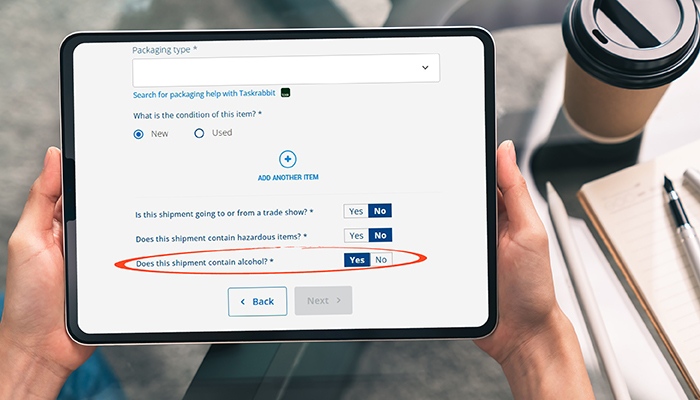
Working with carriers that are approved and equipped for alcohol shipping helps keep freight moving smoothly when capacity is already limited. When you book with Freightquote, you can easily identify your shipment as containing alcohol, automatically filtering on carriers who can accept these shipments.
The peak-season mindset for small food and beverage shippers
Peak beverage season isn’t necessarily about shipping more. It’s about shipping smarter.
The fundamentals stay relatively simple:
- Plan earlier
- Share accurate shipment details
- Understand delivery requirements
- Stay proactive with tracking and visibility
These are the same strategies large food and beverage brands rely on every day—just scaled for small businesses that may only ship pallets occasionally.
And during peak season, those small improvements can have a big impact on costs, delivery performance, and customer experience.
Keep your customers stocked this peak season
Whether you ship once a month or once a quarter, a little preparation goes a long way during peak beverage season.
Planning ahead can help keep shipping costs more predictable, reduce delays, and make sure your customers stay stocked when demand is highest.
Start a quote today and get ahead of peak-season shipping before capacity tightens even further.
Topics:
Get Your Shipping Quote

A complete guide to shipping construction materials
Whether you're a contractor, supplier, or DIY enthusiast, understanding the unique challenges of transporting these heavy, often bulky items is essential. Ship your building materials efficiently with Freightquote.
Shipping construction materials